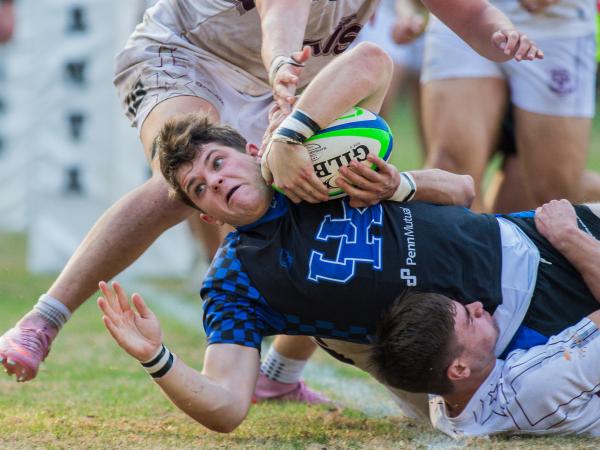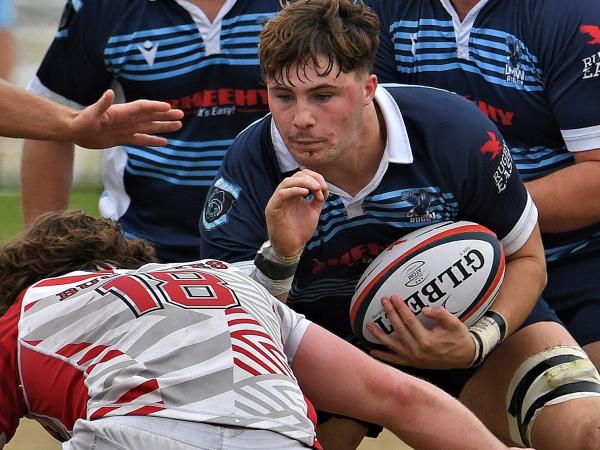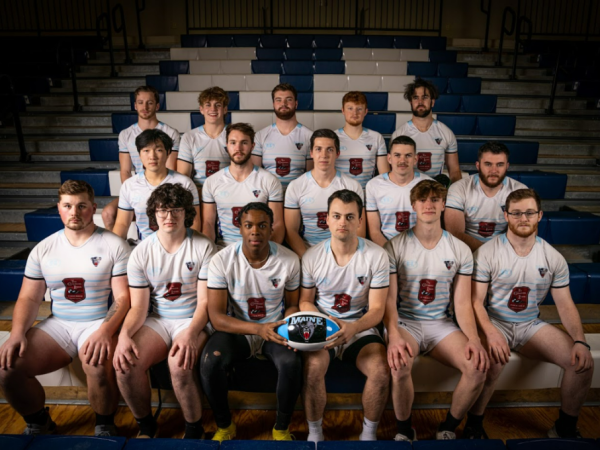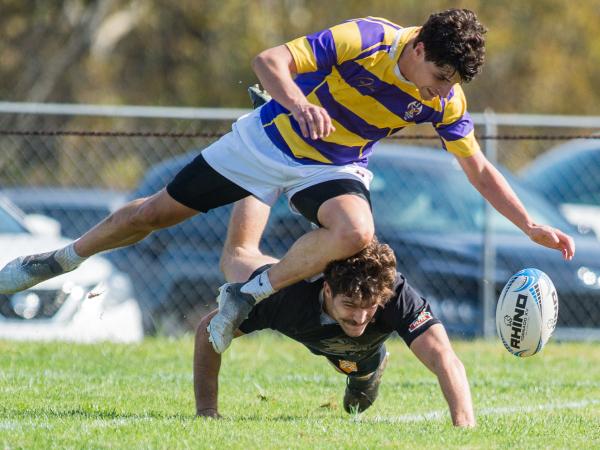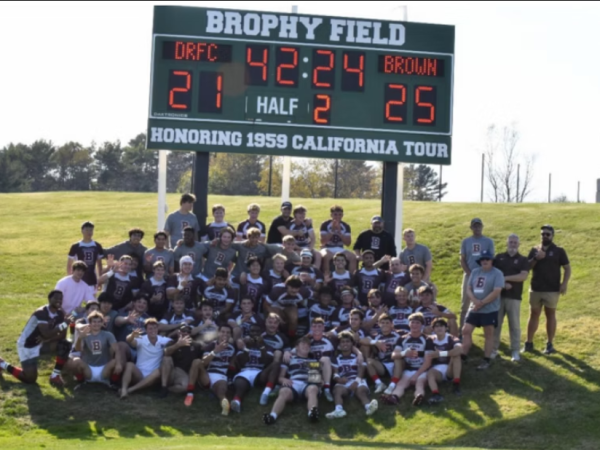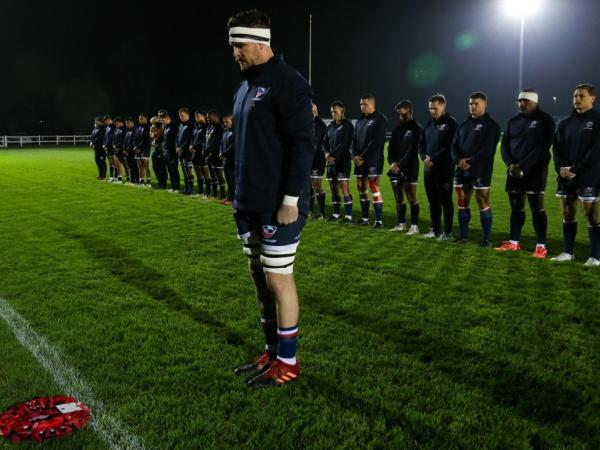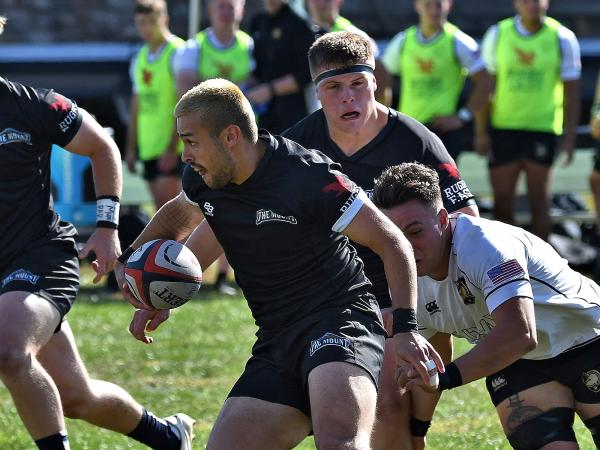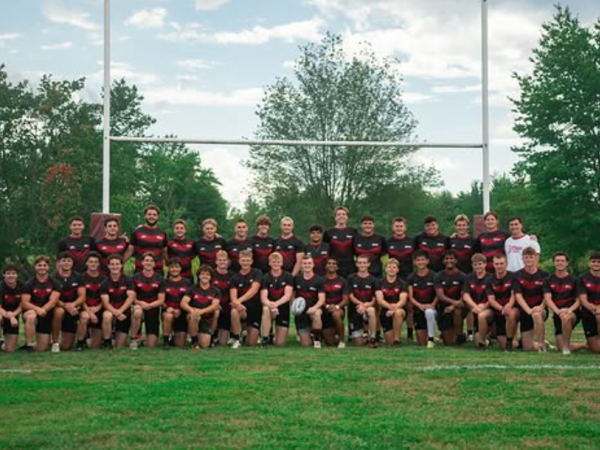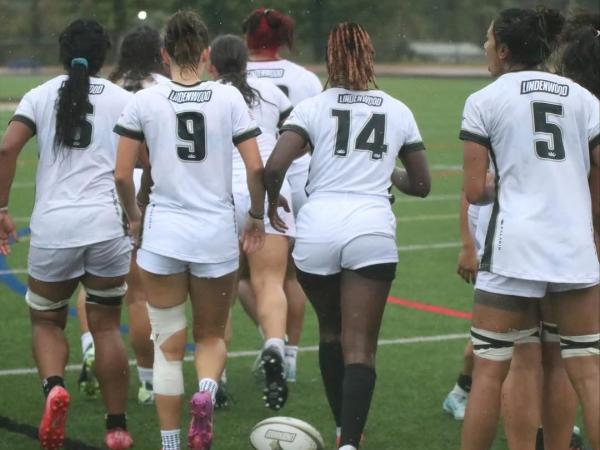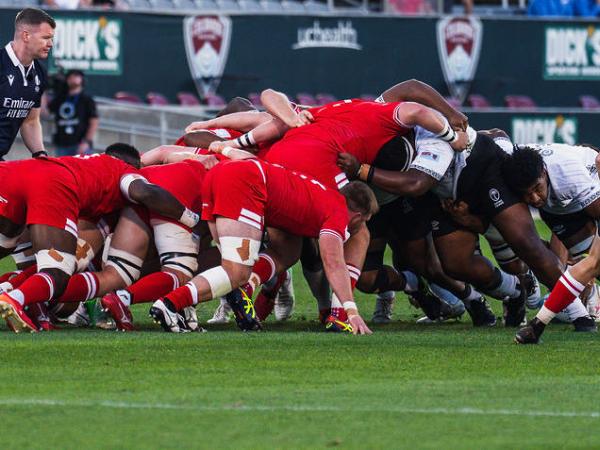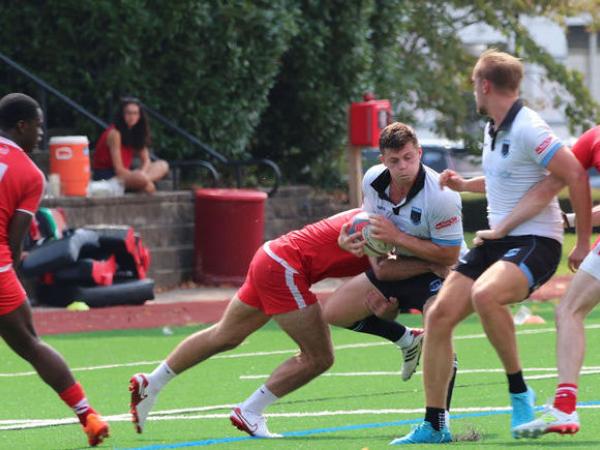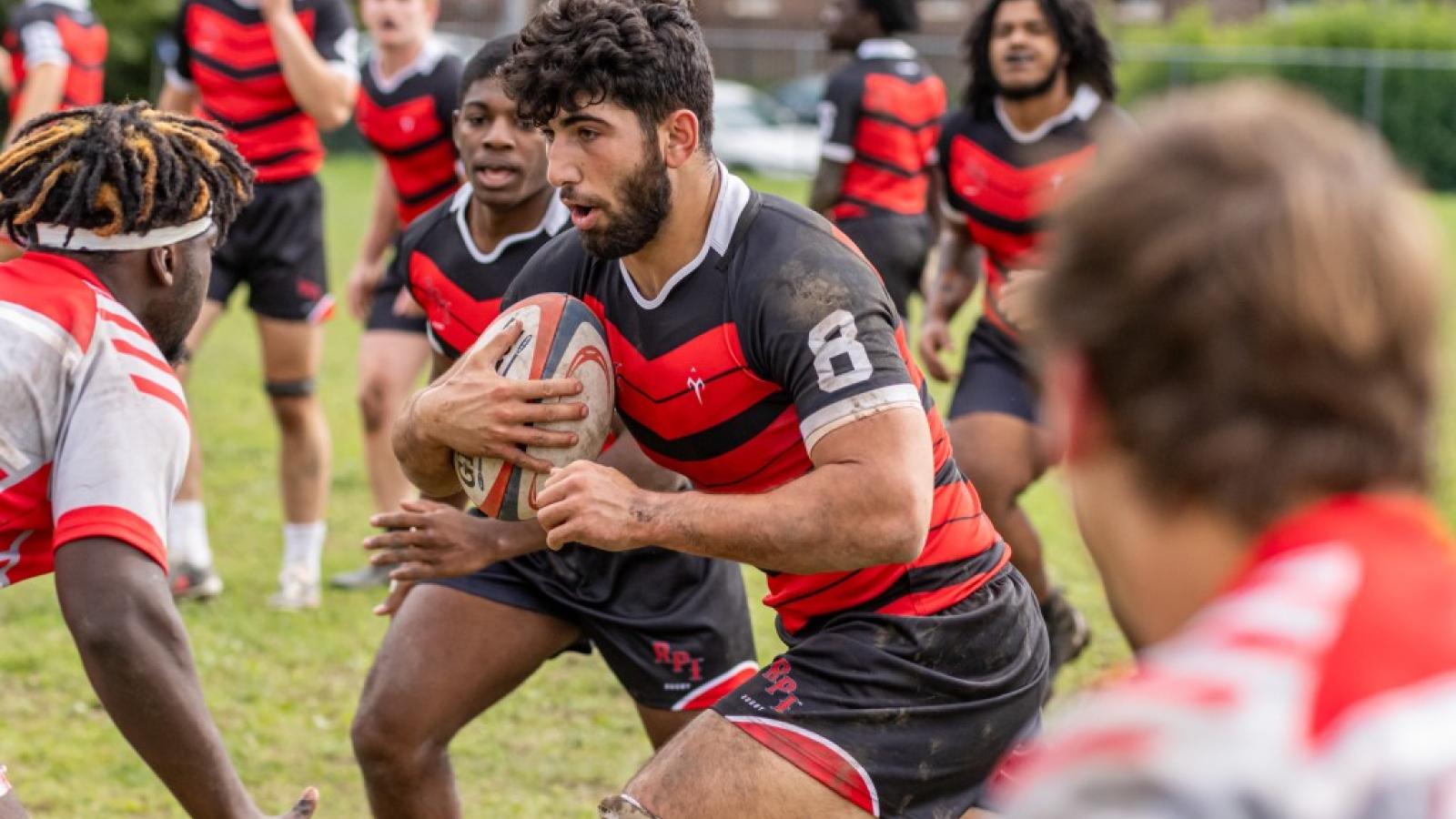
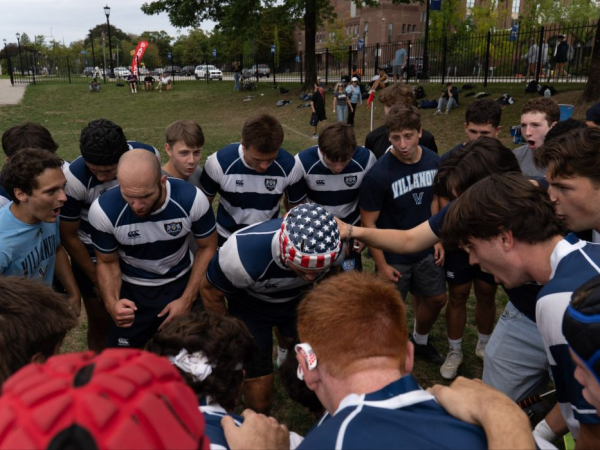
A college team huddles up.
Author: Alex Goff

This column was intended to be a follow-up to the Wheeling University women’s team issues, but in the end I found myself writing about a broader topic.


An Opinion Column by Alex Goff


Rugby has been a playing a role, sometimes small sometimes big, in helping universities and colleges navigate a murky future. When that murky future clarifies into bad news, it’s easy for an institution to point fingers (problems can’t be the fault of the administration, after all). 

Adrian College Program in Jeopardy as Players, Administration Clash

Central Washington Discontinues Rugby as a Varsity Sport

Walsh University to Adopt Notre Dame College Rugby Programs

That’s why, despite the poor way they made their announcement, Central Washington at least gets a bit of respect for letting it be known their decision to stop supporting rugby as a varsity sport was a financial decision. Other institutions (you know who you are) have tried to find some other reason to discredit the rugby program to distract from very real institutional issues.

Those institutional issues—dropping enrollment, pricing themselves out of the market, administrative bloat—will still need to be addressed.

Checking in on Wheeling

As for Wheeling. The issues that led to the dismissal of their Head Coach and the forfeiture of the NCR Women’s D1 final (which led to Southern Nazarene winning comfortably over a game Northern Iowa side) are more than just one thing. Wheeling Rugby parents have contacted me to say they don’t like it that their kids have been portrayed as out-of-control party animals, and that’s a fair request; the players might have screwed up, but not in a particularly shocking way. The parents told GRR that other sports teams have parties and get-togethers, and we’ve no reason to doubt that.

NCR Replaces and Sanctions Wheeling; UNI in WD1 Final with SNU

So, yes, it didn’t seem like the Wheeling women’s team were behaving any more college-student-like than anyone else. It also seems like Wheeling University could have handled some of the disciplinary procedure differently, and, in addition, there are some financial issues at play. Wheeling University as a whole has been under fire for some years regarding dorm maintenance (several articles have been published about mold problems in student residences), and in the middle of 2025 the Higher Learning Commission assigned a “Financial Issue” to the school, which is an official designation that says the institution has financial sustainability problems.

So … finding a way to not attend the NCR final would certainly save some cash. But all of that may well have resulted in a large number of players opting to transfer. What that worth it in the end?

Those institutional issues—dropping enrollment, pricing themselves out of the market, administrative bloat—will still need to be addressed.

College Financial Health

A large number of colleges that don’t have widespread name recognition have looked at supporting a rugby program in order to bolster their profile. The problem is, for some of these institutions, it’s too little too late, and for others how the rugby program will solve the issue at hand isn’t always clear. It certainly isn’t clear to us at Goff Rugby Report World Headquarters.

So digging through this I was reminded of some of the comments I made on a Next Phase Rugby webinar about student-athletes needing to do their due diligence when looking at a college. This includes looking into the financial health of the institution, but it also means looking at how many opponents forfeit to the team you’re looking at, and looking into how much actual support a team gets.

Being on the Next Phase Rugby app always helps student-athletes know more>>

And I’ve got some thoughts on what colleges, college rugby coaches, and high school student-athletes, should be thinking about.


Why is a University Supporting Rugby?
Generally it’s to a) increase enrollment; b) raise the profile of the school, and thus increase applications, which can increase enrollment or increase applicants, which lowers their acceptance rate, thus raising the school’s rating; c) diversify the student body; d) income from alumni

Difference reasons mean different things.

Increasing Enrollment
A university looking to increase enrollment needs paying students. This is hugely important. A college can invest money into a field, travel, a coach, and kit and equipment for a team, but the payback is in tuition and room-and-board. A team of 40 players can bring in tuition in the millions of dollars.
The mistake universities make is, in this situation, they offer too many scholarships. When the object is raising income, discounts defeat that purpose.

The mistake we as a rugby public make is offering criticism for there being so many overseas students on the rugby team—often, that’s part of the point. Overseas can often pay more even than out-of-state US students.

Raising the Profile
A university looking to raise its profile can more readily offer scholarships, but there has to be clarity between the University and the Rugby Program about what’s expected. Winning, publicity, broadcast exposure, and success of the players are all important. But in the end there are other metrics (such as a rise in the number of applicants) that need to be considered.

A side issue for both of these reasons is Catholic universities. Rugby is hugely popular in Catholic high schools, and Catholic Universities that don’t offer and support rugby at least a little bit can see applicants just opt to apply elsewhere.

Diversity
Diversifying the student body is perhaps the easiest thing to accomplish, and as long as everyone agrees that that is the goal, then you should be in good shape. 

Arkansas State’s rugby program was brought within the University’s support umbrella through its International Studies program. They wanted more international students, and that’s what a prominent and successful rugby team could deliver. 

Southern Virginia University wanted LDS (Mormon) students from outside the East Coast to attend, and rugby would be attractive to student-athletes from Utah and the West Coast. 

Dartmouth women’s team has probably the highest density of Polynesian students at the institution.

These may not be the raison d'être of those rugby programs, but it certainly helps their image.

Other Income
Having an alumni endowment is wonderful and can help fund your team, but you don’t necessarily get the institutional perks that way. You get a seat at the varsity table if your alumni link the status of their beloved rugby team to their general contributions to the university. Many well-placed rugby teams owe their status to a very well-heeled alumnus (or three) who also contribute to their Alma Mater in a general way.

“Nice check I write for you every year … would be a shame if something happened to it.”

Getting an endowment fund for rugby is crucial and teams should set one up and build on them. Getting an alumni giving group that has some influence over the administration is the next step.

Gosh. It seems to all come down to money, doesn’t it?

What That Means for Prospective College Rugby Players

Student-Athletes applying to college programs need to educate themselves on why these colleges are supporting rugby, and they also need to find out who is footing the bill—alumni, the University? This information can give you a better idea of a program’s sustainability.

The enrollment cliff. It’s coming, or it's already here. This college year is supposed to be the beginning of the period where a drop in the number of college-bound 18-year-olds will hurt colleges and universities. Some very prestigious colleges will be fine. Some research also suggests that some regions in the USA will be better off than others. Much of the consensus thinks that colleges with more practical majors will be better off than the more nebulous disciplines. Smaller colleges will have to adjust—dropping tuition costs (which have been on a runaway course upward for years), slimming down non-instructional hires, changing the majors offered, or … offering something that attracts applicants. That might mean a rugby team.

But we will certainly see some financially-challenged institutions close their doors a la Alderson Broaddus, Lindenwood-Belleville, and Notre Dame College, while others will have varsity or school-supported rugby programs that go away (Central Washington). We will also see college mergers where a rugby program gets caught in the undertow, or an institution canceling large numbers of sports programs, such as at McGill University in Montreal. 

I don't think any of those scenarios is because supporting a rugby team was a bad move; it was just too late, or too little when the institutional problems were so large.

Is Wheeling one of those? Maybe, maybe not. Certainly they face the challenges that many institutions face and will have to find a way around them. Hopefully rugby can help them.
 

Related Topics

Photo Galleries

Spotlight