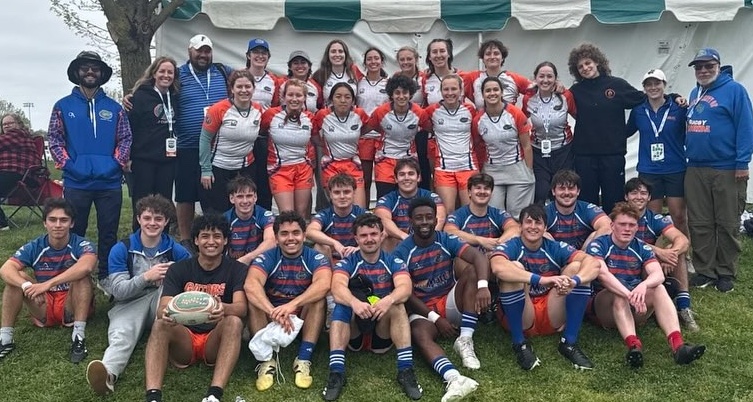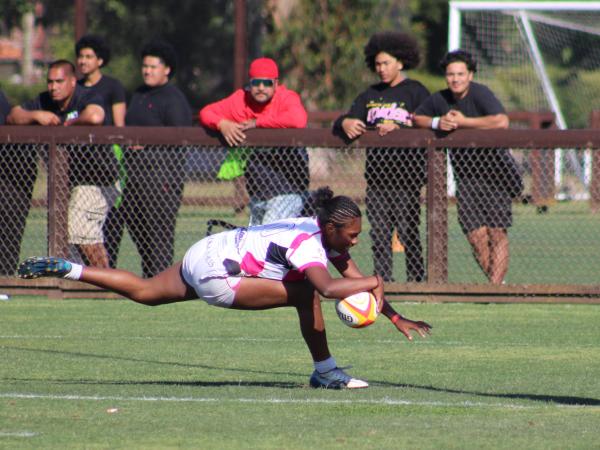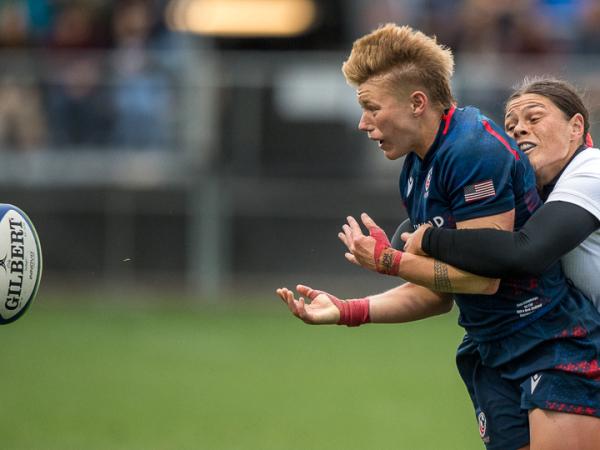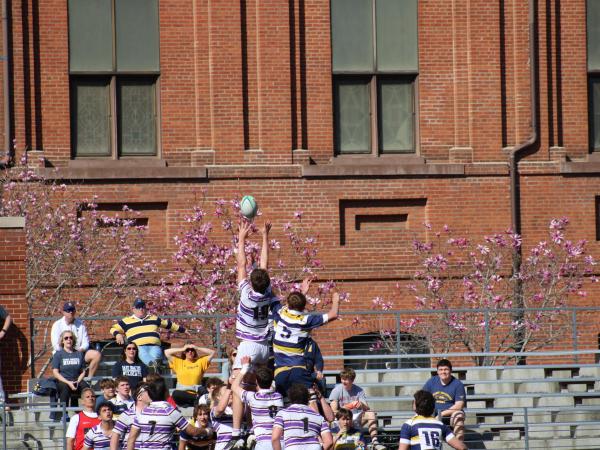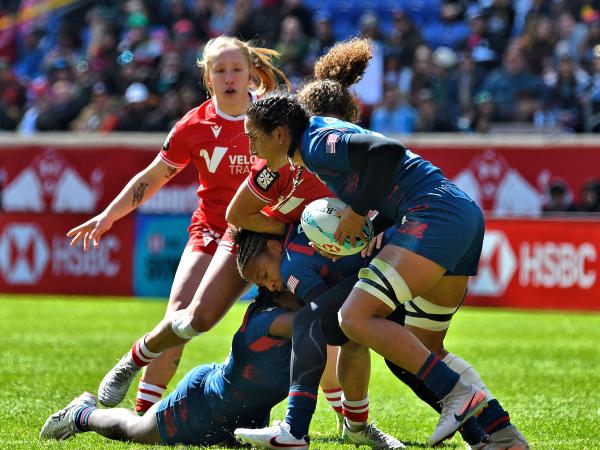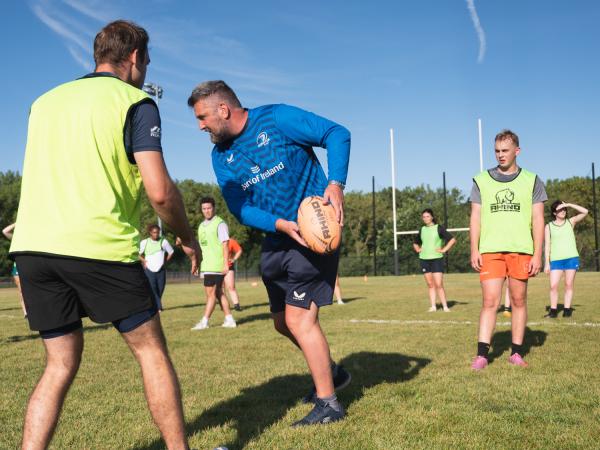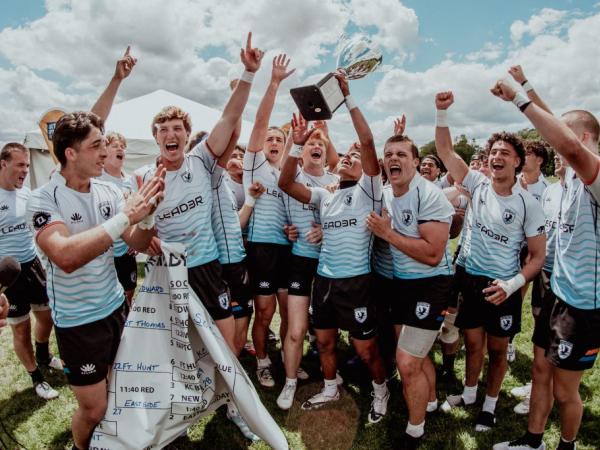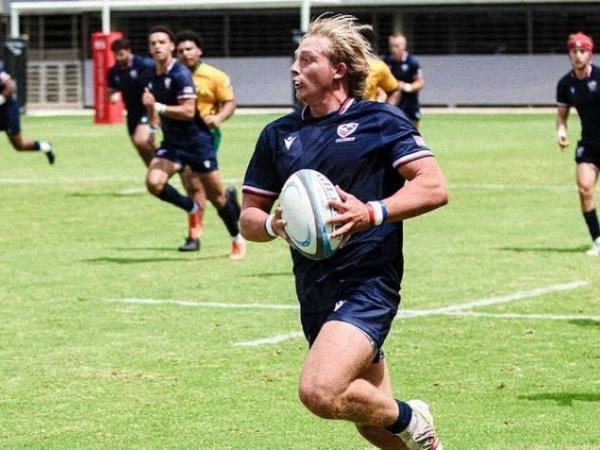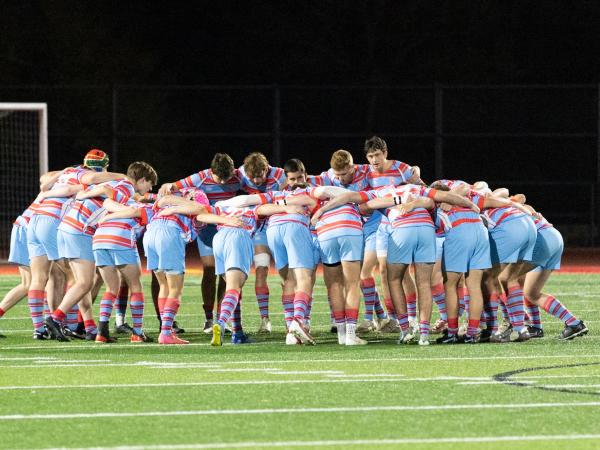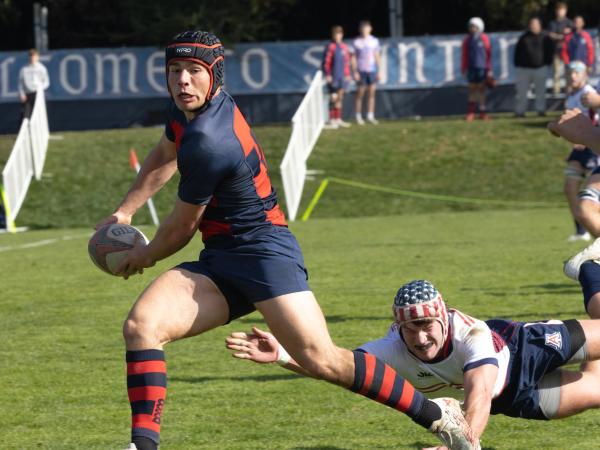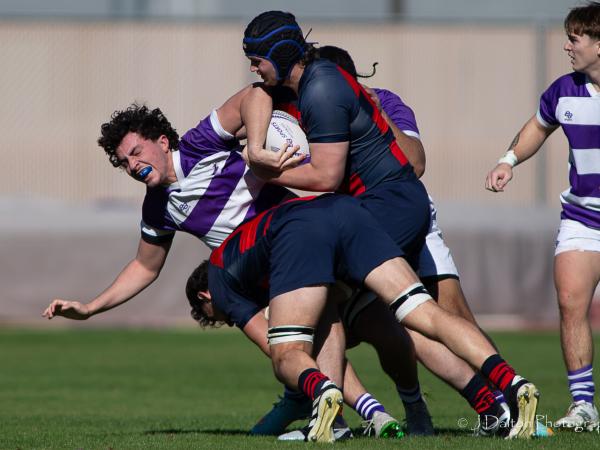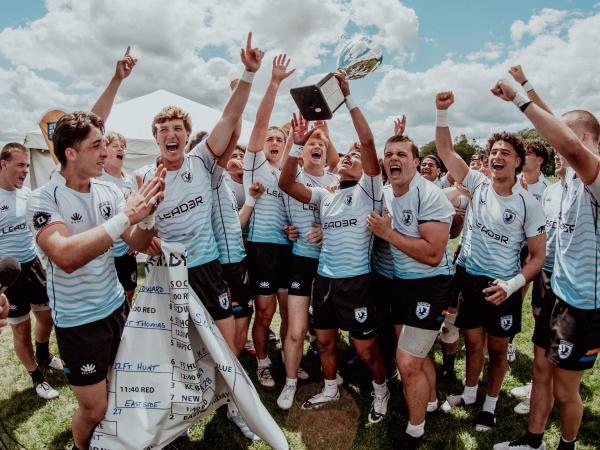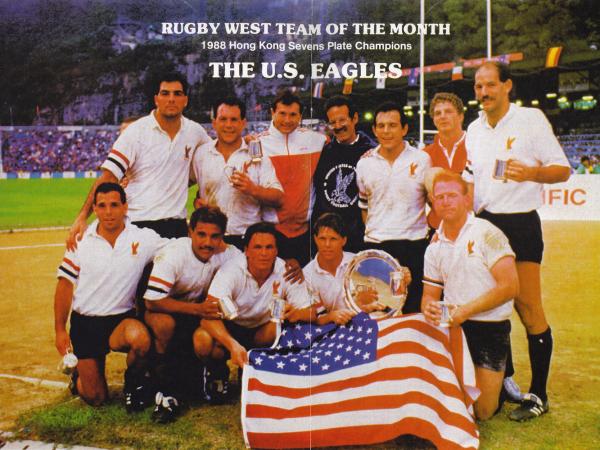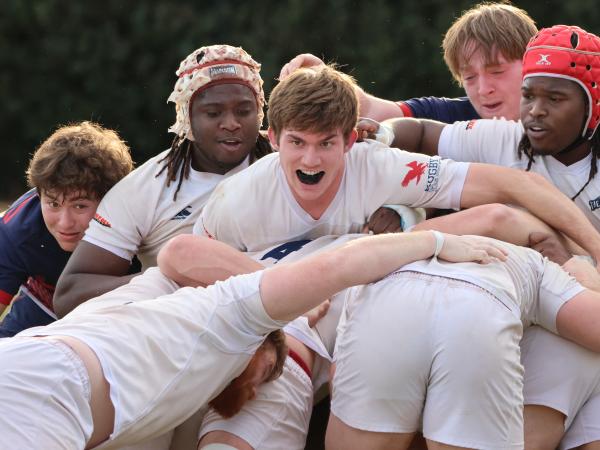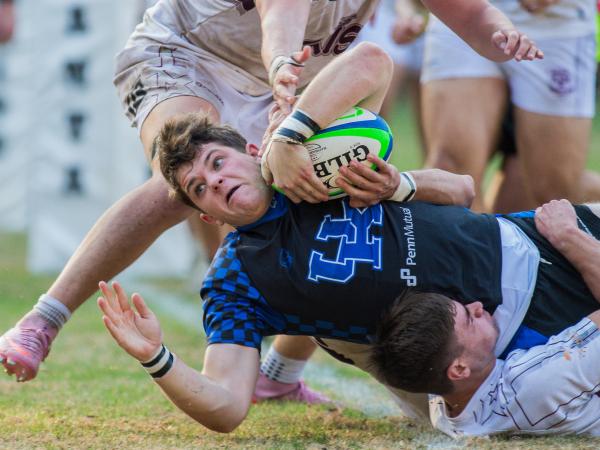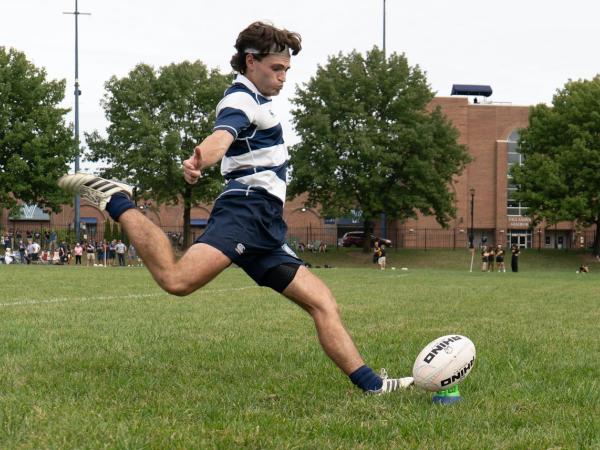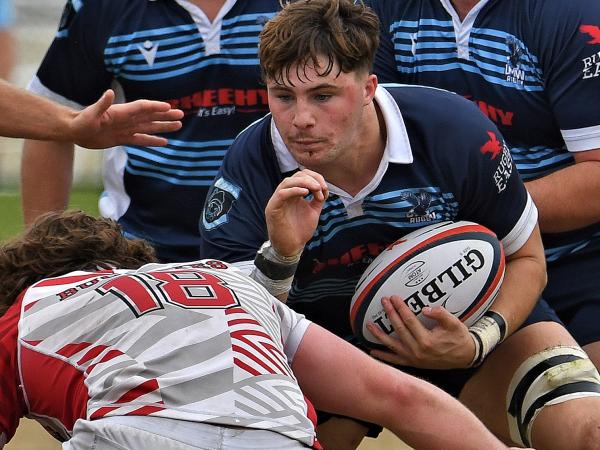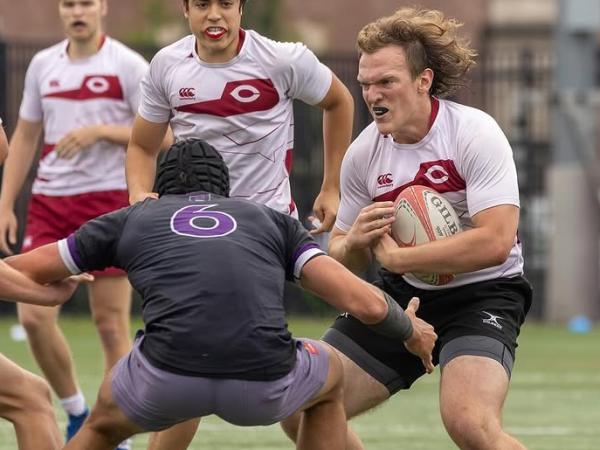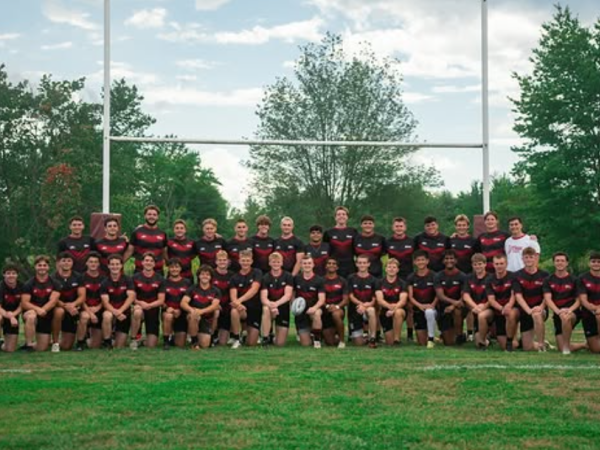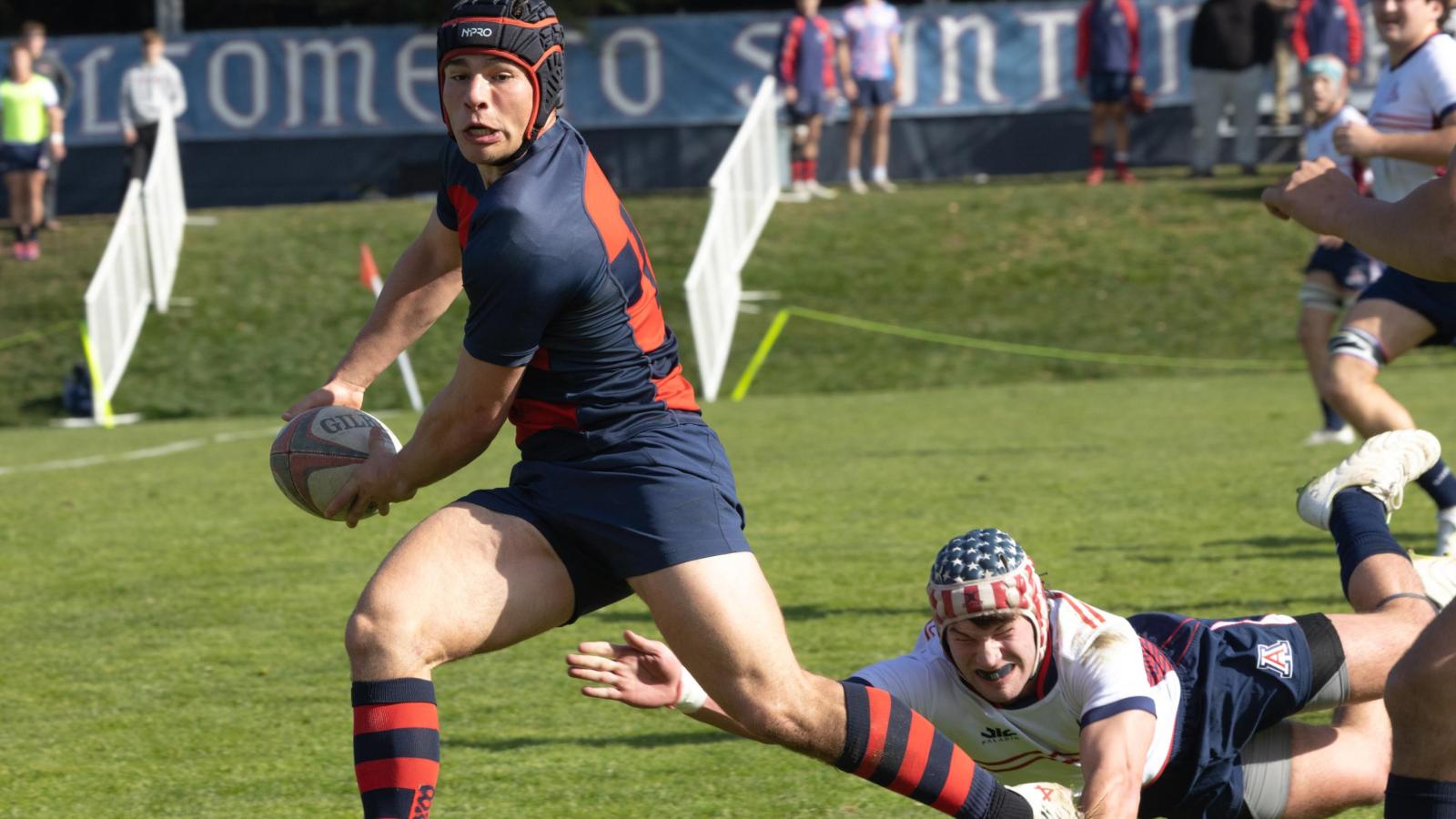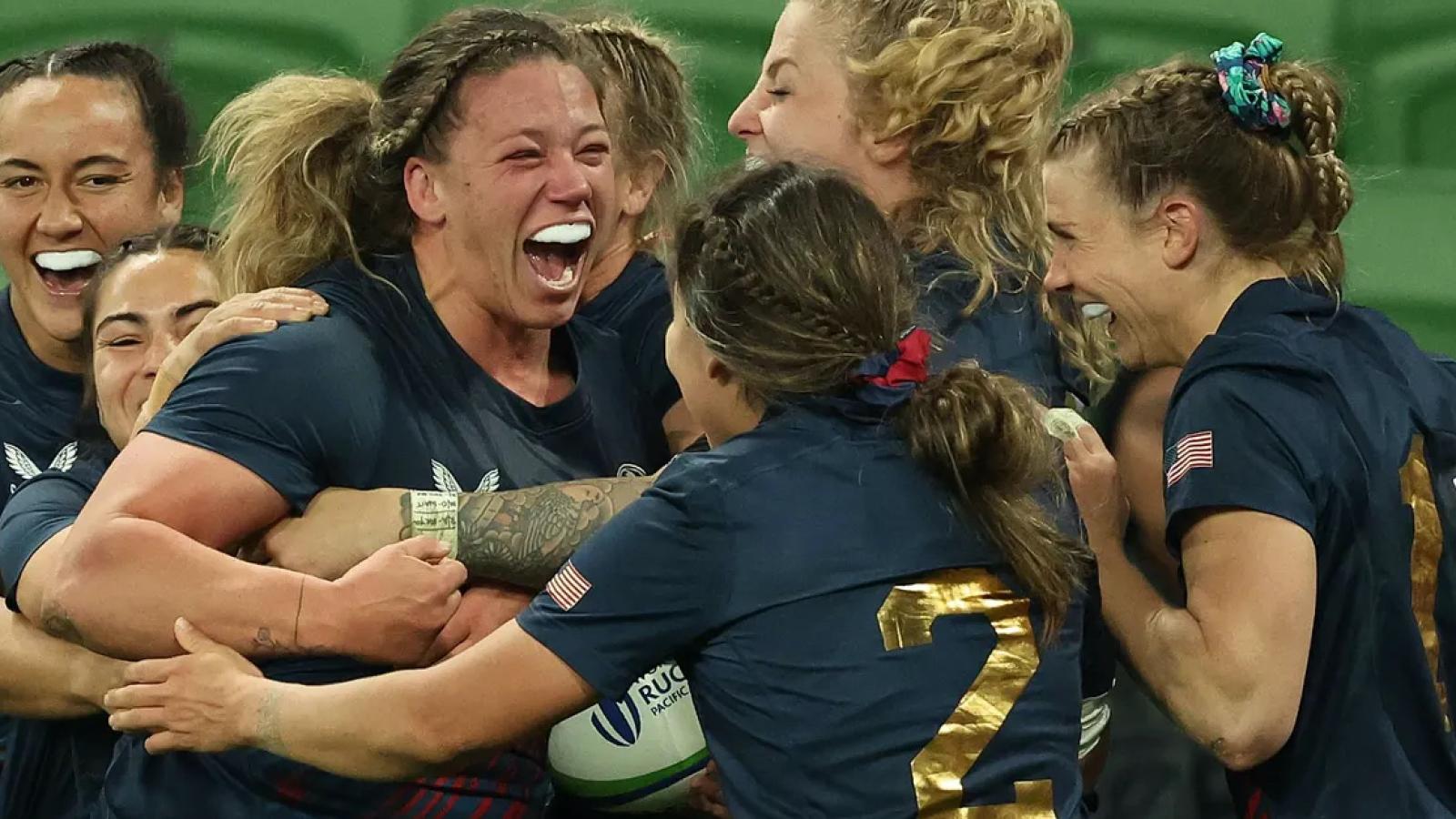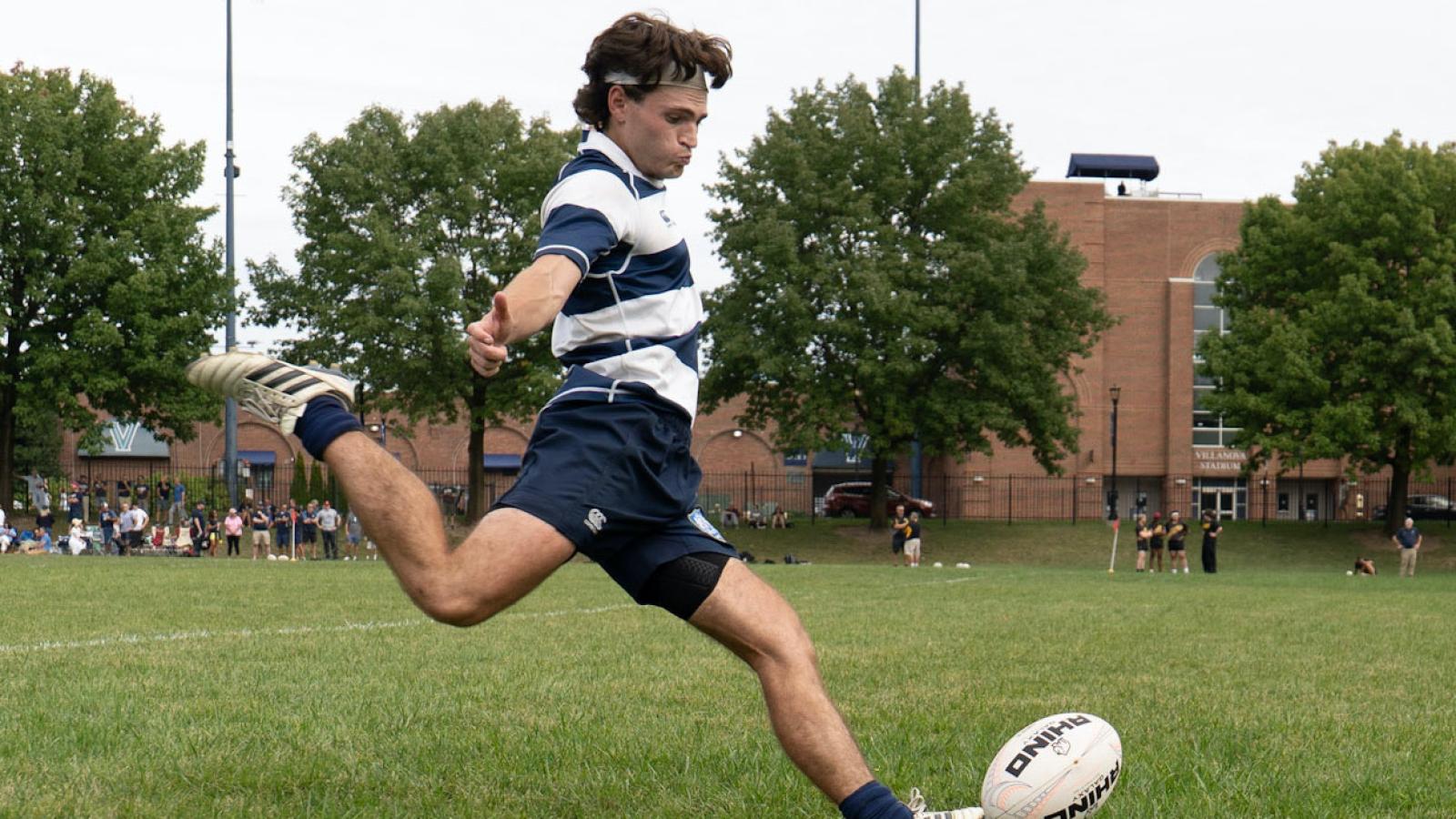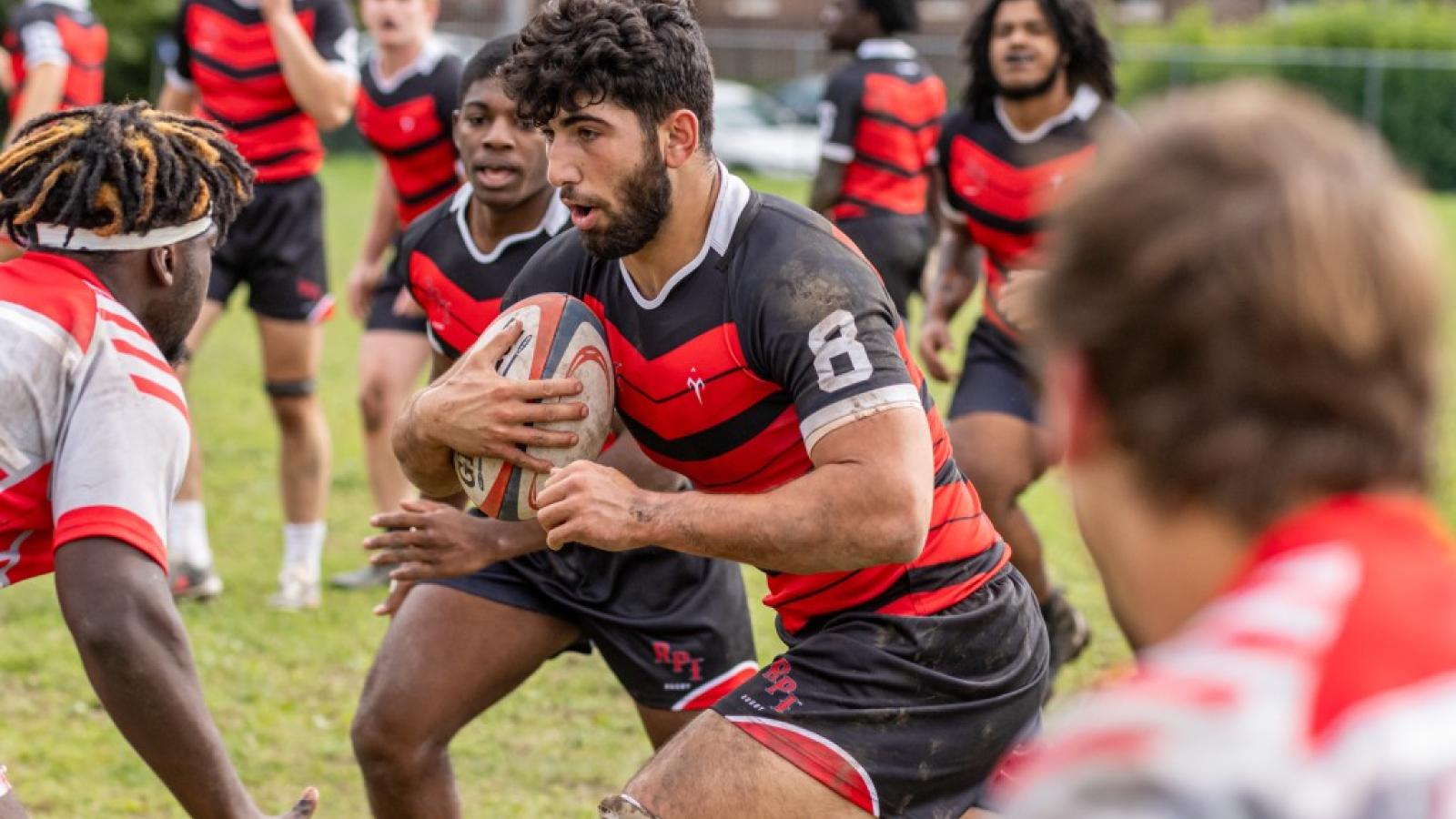

It's a new era for the University of Florida men's and women's rugby programs as the team's alumni have announced a new support initiative.
This all came out of the Madak Alumni Advancement Program, developed and launched by marketing agency Madak in 2020. Piloted with Western Washington University, it helps college programs begin organizing the program's funding, fundraising, and future development. Florida was introduced to the program in 2025 through a grant from the U.S. Rugby Foundation.
Founded in 1969, the University of Florida Rugby Club had the pieces in place: a large alumni base, two competitive teams, boosters, and sponsors. But they weren't all connected.
"We have a history in the community," said UFRAA Board member Norman Litwack. "We have a success story, but we need to engage more alumni around the country and bring all of those elements together."
The US Rugby Foundation and Madak grant program received 30 applications for college club programs to be brought into developing a strategic growth plan. Five were accepted, and Florida is the first one to launch.
With a foundation and an alumni group already in place, with a not insubstantial endowment available, the UFRAA (or Gators Rugby) wanted to take the next step to compete at a higher level.
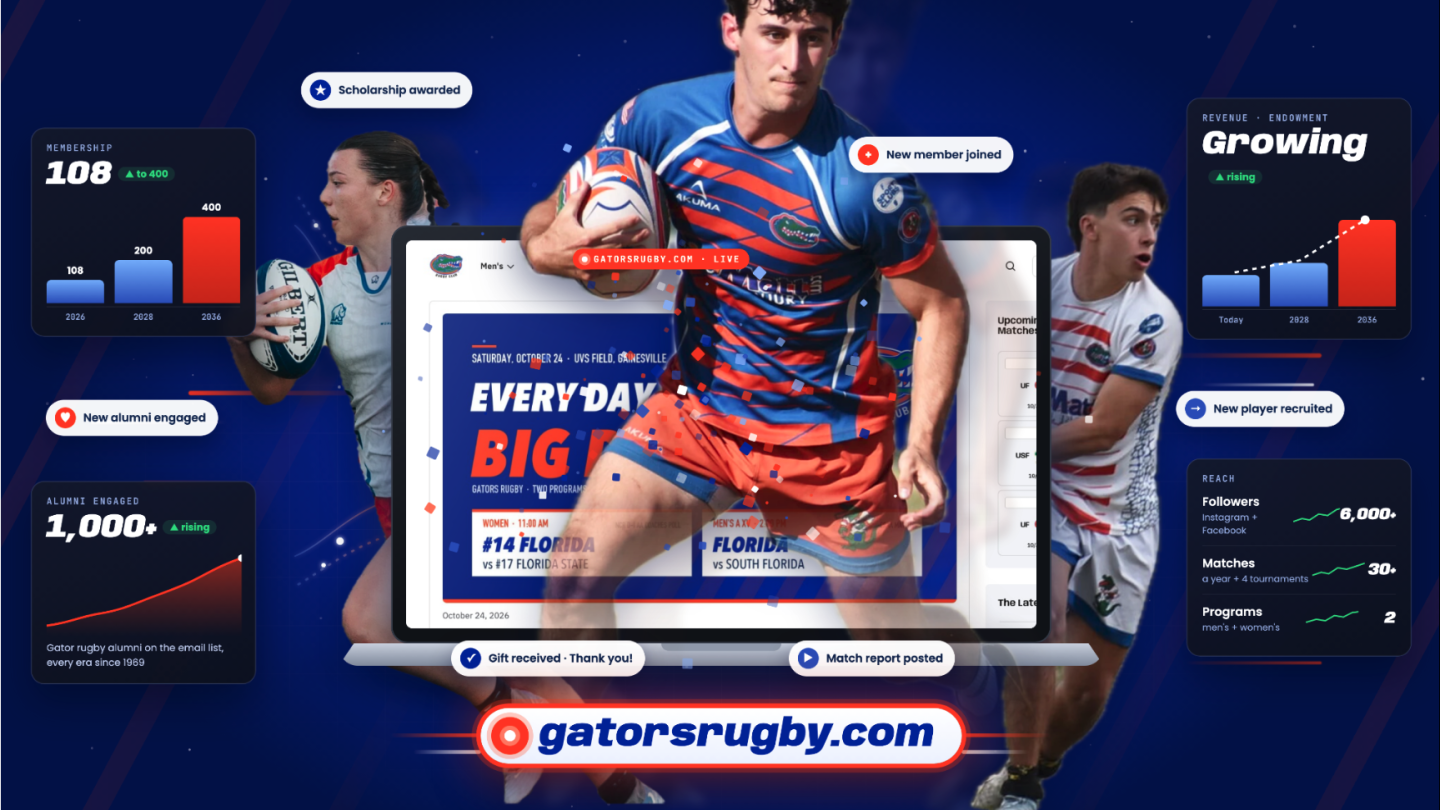
And they've started to do it. They developed one virtual home, gatorsrugby.com, where the men's team, women's team, alumni, boosters, and sponsors were all recognized and communicated with.
Both the men's team and the women's team are being treated equally, with the same technology, communications and fundraising. The women’s alumni base is smaller and less connected, but that's just been an opportunity for the more established men's alumni to build everyone up.
The alumni, and their stories and history, are hugely important, and it's more than just "hey, alumni, donate to the team." There needs to be a purpose to the use of donations. There needs to be a recognition of the history of the team and its almost 50-year history.
"The key to all of it is sustainability," said Litwack. "We had alumni giving to the club and that felt good but there was no sustainability. What we wanted to do was identify what is missing on a season-to-season basis, but then also look to the long-term. What donors want is a strategy, and also to not feel like their donations are going into a bottomless pit."